Puppy Vaccinations and Vet Visits: What Happens at Each Stage
When you bring a new puppy home, understanding the importance of vaccinations and vet visits is essential for their health. You might wonder what happens during those early appointments and why certain vaccinations are prioritized. Each stage of your puppy’s veterinary care plays a pivotal role in their development and well-being. Let’s explore what you can expect at each stage and how to guarantee your puppy gets the best start possible.
The Essentials
- First vet visits involve a physical examination and discussions about diet, behavior, and growth concerns.
- Core vaccinations like distemper and parvovirus begin at 6-8 weeks, with boosters until 16 weeks.
- Non-core vaccinations are determined by lifestyle and environmental risk factors discussed with the vet.
- Regular deworming and parasite control are vital for preventing health issues in puppies.
- Follow-up visits every 3-4 weeks track growth, administer vaccinations, and ensure comprehensive health care.
The First Vet Visit: What to Expect
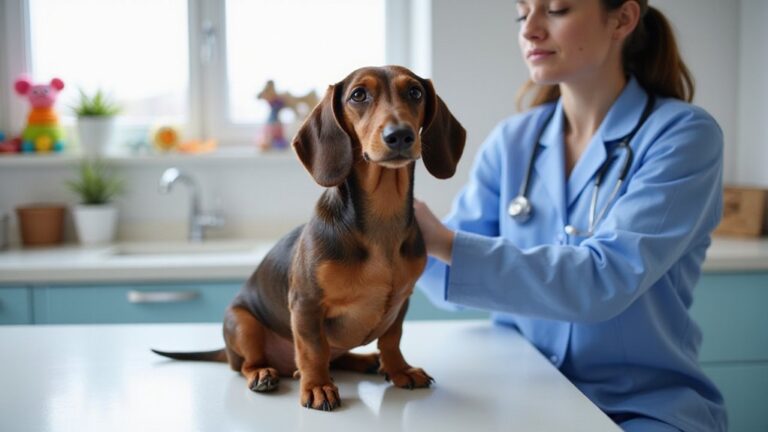
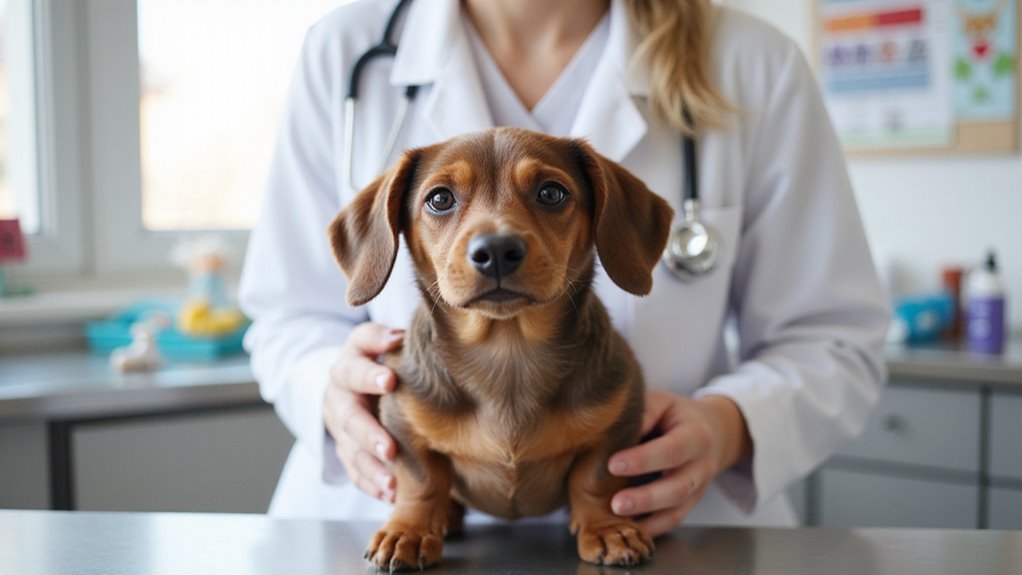
When you take your puppy to the vet for the first time, it’s natural to feel a mix of excitement and nerves. You’ll likely be greeted by friendly staff who understand how important this visit is for both you and your pup. The vet will perform a physical examination, checking your puppy’s weight, ears, and overall health. You might have to answer questions about your puppy’s diet and behavior. Don’t hesitate to ask about any concerns you have. This visit’s also a great time to discuss your puppy’s growth and development, helping you feel more confident as a new pet owner. Additionally, it’s essential to ensure your puppy has a comfortable dog bed to aid in their recovery after vaccinations and vet visits.
Core Vaccinations for Puppies
After your puppy’s first vet visit, it’s important to discuss their vaccination schedule. Core vaccinations are essential for your puppy’s health and help protect against serious diseases. These usually include vaccines for distemper, parvovirus, adenovirus, and rabies. Your vet will recommend a series of shots starting around six to eight weeks of age, with boosters every few weeks until they’re about 16 weeks old. Keeping up with this schedule guarantees your puppy builds immunity. Additionally, providing your puppy with nutritional support through the best small dog food can further enhance their overall health during this critical time. Don’t hesitate to ask your vet any questions about these vaccines; understanding their importance can help you keep your furry friend safe and healthy.
Non-Core Vaccinations: Are They Necessary?
Why consider non-core vaccinations for your puppy? While core vaccinations protect against the most common and serious diseases, non-core vaccines target diseases that may be more relevant based on your puppy’s lifestyle and environment. For instance, if you live in an area with a high risk of certain diseases or if your pup frequently interacts with other dogs, these vaccinations might be beneficial. Diseases like Lyme disease or kennel cough can be serious in certain contexts. Discuss your puppy’s risk factors with your vet to determine if non-core vaccinations are necessary for ideal health and protection. Additionally, understanding best dachshund gifts can help you celebrate your pup’s health milestones.
The Importance of Deworming and Parasite Control
While vaccinations are essential for your puppy’s health, they’re just one part of an all-encompassing care plan. Deworming and parasite control are equally important to keep your furry friend healthy. Puppies are particularly vulnerable to parasites like roundworms and tapeworms, which can affect their growth and overall well-being. Regular deworming treatments can prevent these issues and keep your puppy thriving. Additionally, parasite control protects against fleas, ticks, and heartworms, which can lead to serious health problems. By prioritizing deworming and parasite prevention, you’re ensuring a happier, healthier life for your puppy, allowing them to grow and play without discomfort. Using the right best dog shampoo can also help maintain their overall health and hygiene.
Follow-Up Vet Visits: Timing and Purpose
As your puppy grows and receives their initial vaccinations, keeping up with follow-up vet visits becomes essential for their ongoing health. Typically, these visits occur every three to four weeks until your puppy is about 16 weeks old. During these appointments, your vet will monitor your puppy’s growth, administer additional vaccinations, and discuss any concerns you might have. It’s also a great time to guarantee your puppy is on a proper deworming schedule and to address any nutritional needs. Regular check-ups help catch potential issues early, ensuring your puppy stays happy and healthy as they develop into adulthood. Additionally, it’s important to consider best dog crates for small dogs to create a safe and comfortable environment for your puppy during their growth stages.
Socialization and Training: Integrating Vet Visits
Incorporating vet visits into your puppy’s socialization and training routine is essential for their development. These outings expose your pup to new environments, sounds, and people, helping them become well-adjusted adults. During visits, you can reinforce positive behaviors, rewarding your puppy for calmness and good manners. Make vet visits enjoyable by bringing treats and toys, creating a positive association with the clinic. Additionally, interacting with staff can enhance your puppy’s comfort around strangers. Remember, the more social experiences your puppy has, the better they’ll adapt to the world around them, ensuring a confident and happy companion for years to come. Furthermore, using a pet camera during these visits can help you monitor your puppy’s behavior and progress while you’re not present.
Keeping Records: Tracking Your Puppy’s Health
Keeping detailed records of your puppy’s health is essential, especially as they grow and undergo various vaccinations. Document each vet visit, noting vaccination dates, any medications prescribed, and weight changes. This information helps track your puppy’s development and can alert you to potential health issues. Consider using a dedicated notebook or an app designed for pet health tracking. Don’t forget to include notes on behavioral changes or any concerns you have during visits. By keeping these records, you’ll guarantee your puppy receives the best care and you’ll be prepared for future vet appointments. Additionally, tracking your puppy’s health changes can help you choose the perfect dog bed for their needs.
Frequently Asked Questions
How Much Do Puppy Vaccinations Typically Cost?
Puppy vaccinations typically cost between $75 and $200, depending on your location and the specific vaccines needed. It’s best to check with your local vet for exact pricing and any available packages or discounts.
Can I Delay My Puppy’s Vaccinations?
Yes, you can delay your puppy’s vaccinations, but it’s not recommended. Delaying could put your puppy at risk for diseases. It’s best to discuss any concerns with your vet to guarantee their health and safety.
What Side Effects Should I Watch for After Vaccinations?
After vaccinations, watch for mild side effects like lethargy, slight fever, or a bit of swelling at the injection site. If you notice severe reactions like vomiting or difficulty breathing, contact your vet immediately.
How Do Vaccines Affect My Puppy’s Behavior?
Vaccines might make your puppy a bit tired or less playful for a day or two. These reactions are normal, so don’t worry. Just give them some extra love and rest during this time.
Are There Alternative Vaccination Schedules Available?
Yes, there are alternative vaccination schedules available. You can discuss these options with your vet, who can help tailor a plan that fits your puppy’s specific needs and health conditions for ideal protection.