
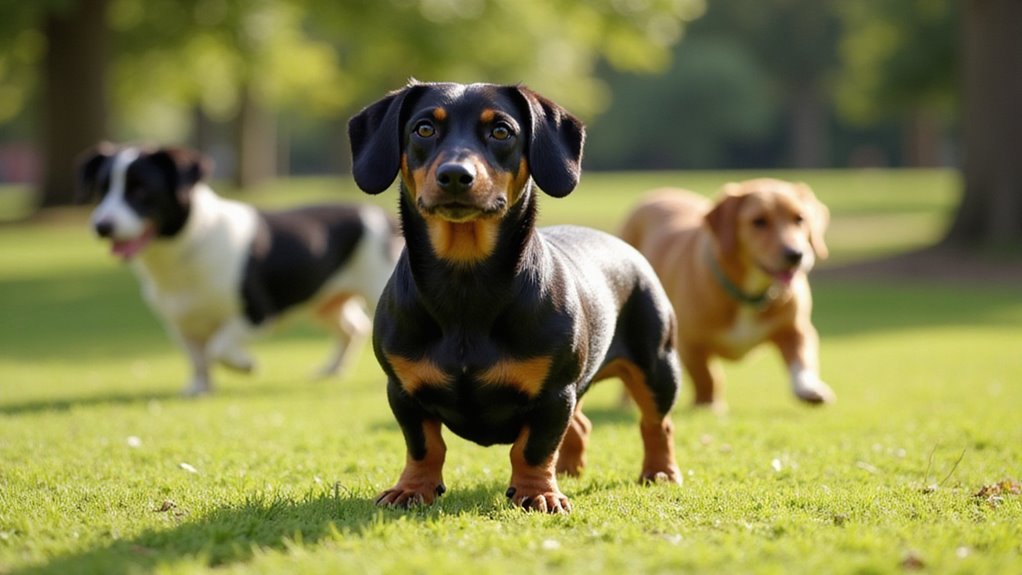
Barking at Other Dogs: Reactivity and Management Tips
If you’ve noticed your dog barking at other dogs, you’re not alone. This behavior often signals fear or anxiety, making it a form of reactivity. Understanding why your dog reacts this way is essential for effective management. By exploring strategies and techniques to help your dog feel more at ease, you can create a more harmonious environment. Let’s look into some practical solutions that can make a difference.
The Essentials
- Identify triggers by observing when your dog barks at other dogs, allowing for targeted management strategies.
- Utilize positive reinforcement to reward calm behavior during encounters with other dogs, promoting desirable responses.
- Gradually expose your dog to other dogs from a distance, using desensitization techniques to build confidence.
- Implement engagement techniques, like asking your dog to sit, to redirect focus and reduce barking during encounters.
- Maintain control by keeping your dog leashed during walks and using barriers to create safe spaces when needed.
Understanding Canine Reactivity
When you notice your dog reacting strongly to certain stimuli, like other dogs or loud noises, it’s essential to understand that this behavior often stems from fear or anxiety. Your pup might be feeling overwhelmed, leading to barking or lunging as a way to cope. Recognizing this can help you respond appropriately. Instead of punishing your dog, focus on providing a safe space and using positive reinforcement. Gradually expose your dog to these triggers in controlled environments, allowing them to build confidence. Understanding their emotions is key to managing reactivity and fostering a more relaxed, well-adjusted canine companion. Additionally, providing delicious treats can help distract and reward your dog during these challenging situations.
Common Triggers for Barking
Many factors can trigger barking in dogs, and understanding these can help you address their reactions more effectively. Common triggers include the presence of other dogs, strangers approaching, loud noises, or changes in their environment. Your dog might bark when they’re excited, anxious, or trying to alert you to something unusual. Sometimes, boredom or a lack of exercise can also lead to excessive barking. Identifying these triggers is essential, as it allows you to create a tailored management plan. By knowing what sets off your dog’s barking, you can work on reducing their reactions and improving their overall behavior. Additionally, best dachshund gifts can be a great way to keep your dog engaged and less prone to barking due to boredom.
The Role of Socialization
Socialization plays an essential role in managing your dog’s reactivity and barking behaviors. By exposing your dog to various environments, people, and other dogs, you can help them build confidence and learn appropriate social skills. Engaging in positive experiences during these interactions reduces fear and anxiety, which often trigger barking. Start socializing your dog early, if possible, and continue throughout their life. Remember to make introductions gradual and positive, ensuring your dog feels safe. This proactive approach not only helps reduce reactivity but also strengthens the bond between you and your furry friend, leading to a happier, more balanced dog. Choosing the right dog bed for your dachshund can also provide a safe space for your pet to relax and feel secure during these socialization efforts.
Effective Management Techniques
To effectively manage your dog’s reactivity, it’s crucial to implement a combination of training techniques and environmental modifications. Start by avoiding high-stress situations, like crowded parks, where your dog might encounter triggers. Use barriers like fences or gates to create a safe space when needed. Consider using a muzzle if your dog is particularly reactive, ensuring it’s comfortable and safe. Keep your dog leashed during walks, maintaining control while allowing distance from other dogs. Finally, reward calm behavior with treats or praise to reinforce positive responses. With consistent management, you can help your dog feel more secure and relaxed. Additionally, selecting the right collar for your dachshund can aid in ensuring comfort and safety during walks.
Training Strategies for Reactivity
While reactivity can be challenging, implementing effective training strategies can greatly improve your dog’s behavior. Start with desensitization; gradually expose your dog to other dogs from a distance, rewarding calm behavior. Use positive reinforcement to encourage desirable reactions, rewarding them for staying relaxed. Teach a reliable “leave it” command to redirect their focus during encounters. Practice engagement techniques, like asking for a sit or a trick when they see another dog. Consistency is key; practice regularly and remain patient. Remember, it is crucial to create a safe environment for your dog to learn, fostering trust and confidence in the process. Additionally, consider using a suitable ramp for your dachshund to help them navigate spaces more comfortably, especially if they struggle with mobility due to their long bodies.
Tools and Equipment to Help
Having the right tools and equipment can greatly enhance your training efforts for a reactive dog. A sturdy, well-fitted harness helps you maintain control without causing discomfort. Consider a head halter, which can gently guide your dog’s head away from distractions. Treat pouches allow quick access to rewards, reinforcing positive behavior effectively. Additionally, noise-canceling headphones can help if your dog is sensitive to sounds during training. A long line gives your dog freedom while keeping them safe. Finally, consider using calming aids like pheromone sprays or anxiety wraps to create a supportive environment, improving your training sessions further. Furthermore, using dog steps for dachshunds can assist in creating a safe space for your dog to relax post-training.
Creating a Positive Environment
Creating a positive environment is essential for managing a reactive dog, as it helps reduce stress and fosters a sense of safety. Start by establishing routines that include regular exercise, mental stimulation, and socialization in controlled settings. Use positive reinforcement to reward calm behavior and create associations with other dogs. Make your home a safe haven by minimizing triggers and providing cozy spaces. Consider using calming aids like music or pheromones. Finally, stay patient and consistent in your approach, as this will build your dog’s confidence and trust, ultimately leading to a happier, more relaxed companion. Providing cozy beds for dachshunds can also enhance their comfort and contribute to a more serene environment.
Frequently Asked Questions
Can Reactivity Be Inherited Genetically in Dogs?
Yes, reactivity can be inherited genetically in dogs. If a parent dog exhibits reactive behavior, it’s possible their offspring might too. However, environment and training also play essential roles in shaping behavior.
How Can I Tell if My Dog Is Fearful or Aggressive?
You can tell if your dog’s fearful or aggressive by observing their body language. If they’re cowering, tail tucked, or avoiding eye contact, they’re likely fearful. If they’re growling, barking, or lunging, they might be aggressive.
What Should I Do if My Dog Barks at People Instead of Other Dogs?
If your dog barks at people, try redirecting their attention with treats or toys. You can also practice desensitization by gradually exposing them to people at a distance, rewarding calm behavior to encourage positive interactions.
Are Certain Dog Breeds More Prone to Reactivity?
Yes, certain breeds, like herding and guarding dogs, tend to be more reactive due to their instincts. However, individual temperament and socialization play essential roles, so it’s important to take into account each dog’s unique personality.
How Does Age Affect a Dog’s Reactivity Level?
Age can markedly affect your dog’s reactivity. Younger dogs might be more impulsive and excitable, while older dogs often become calmer and more experienced. However, individual temperament and training also play vital roles in their behavior.