Shedding in Dachshunds: Whats Normal and How to Reduce It
If you own a Dachshund, you might notice that shedding is a routine part of their life. While some shedding is normal, it can vary based on several factors. Understanding what’s typical for your dog can help you manage it effectively. You might be surprised to learn how grooming and diet can play a significant role. Let’s explore what you can do to keep shedding under control and guarantee your Dachshund’s coat stays healthy.
The Essentials
- Dachshunds typically shed more in spring and fall due to seasonal changes; regular grooming helps manage this increased shedding.
- Smooth Dachshunds shed less than longhaired or wirehaired varieties; choose a coat type based on grooming preferences.
- Regular brushing (at least once a week) is essential to remove loose hair and minimize shedding.
- A balanced diet rich in omega fatty acids and vitamins promotes coat health and reduces excessive shedding.
- Monitor for health issues, as allergies or skin problems can lead to increased shedding; consult a vet if necessary.
Understanding Dachshund Coat Types
When it comes to understanding Dachshund coat types, you’ll find that these adorable pups come in three distinct varieties: smooth, longhaired, and wirehaired. Smooth Dachshunds have short, glossy fur, which makes grooming a breeze. On the other hand, longhaired Dachshunds sport soft, flowing coats that require regular brushing to keep them tangle-free. Finally, wirehaired Dachshunds feature a coarse, dense coat that’s both unique and rugged, often needing special attention to maintain its texture. Each coat type has its own charm, so consider your lifestyle and grooming preferences when choosing the perfect Dachshund for your family. It’s also important to note that using the best brush for Dachshunds can significantly improve your grooming routine and enhance your dog’s coat health.
Shedding Patterns Throughout the Year
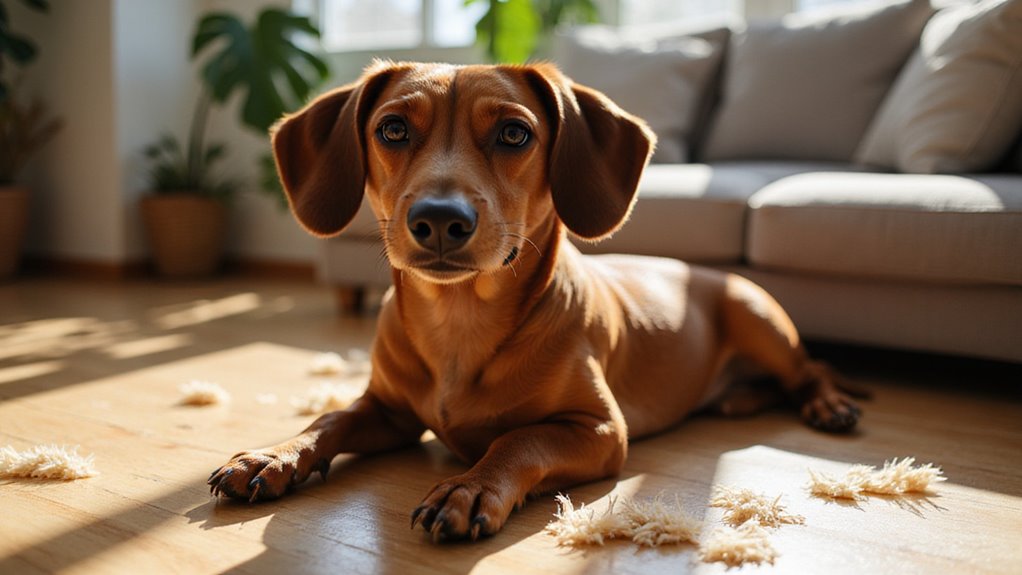
As the seasons change, you may notice varying shedding patterns in your Dachshund. Typically, they shed more in spring and fall, as they shift between their winter and summer coats. During these times, it’s normal to see clumps of fur around your home. In summer, shedding may decrease slightly, but regular brushing helps manage loose hair. Winter can also bring less shedding, as their coat thickens for warmth. Keeping an eye on these seasonal changes allows you to prepare for increased grooming and vacuuming, ensuring you maintain a clean and comfortable environment for both you and your furry friend. Additionally, using the right brush for Dachshund coats can significantly reduce the amount of loose hair in your home.
Factors Influencing Shedding in Dachshunds
Several factors can influence shedding in Dachshunds, making it important for you to understand what might be at play. Genetics play a significant role; some Dachshunds naturally shed more than others. Additionally, age can impact shedding patterns, with younger dogs often shedding more. Seasonal changes, particularly spring and fall, trigger increased shedding as they adapt to temperature shifts. Health conditions, such as allergies or skin issues, can also lead to excessive shedding. Finally, diet and nutrition affect coat health; a poor diet may result in more fur loss. Being aware of these factors can help you manage their shedding effectively. Regular grooming and using the right dog shampoo can also play a crucial role in maintaining a healthy coat.
Regular Grooming Practices to Minimize Shedding
To effectively minimize shedding in your Dachshund, regular grooming is essential. Start by brushing your dog at least once a week. This helps remove loose hair and prevents matting. Depending on your Dachshund’s coat type, use a slicker brush or a bristle brush for best results. Bathing your dog every few months can also help, but avoid over-bathing, as it can strip natural oils. Additionally, check their ears and nails during grooming sessions to keep them healthy. Creating a consistent grooming routine not only reduces shedding but strengthens your bond with your furry friend. Using the right dog shampoo can further enhance the health of their coat and minimize shedding.
Nutritional Considerations for a Healthy Coat
Regular grooming is just one aspect of keeping your Dachshund’s coat healthy; nutrition plays a significant role as well. A well-balanced diet rich in omega-3 and omega-6 fatty acids can enhance coat quality and reduce shedding. Look for high-quality dog food that includes fish oil, flaxseed, and other natural sources of these essential fatty acids. Additionally, vitamins A, E, and biotin are crucial for skin health, so consider supplements if necessary. Always consult your vet before making dietary changes to guarantee your Dachshund’s specific needs are met. Proper nutrition will help keep that coat shiny and reduce excessive shedding. Furthermore, choosing the right food is essential to ensure your dog receives all necessary nutrients for optimal coat health.
Home Maintenance Tips for Managing Shedding
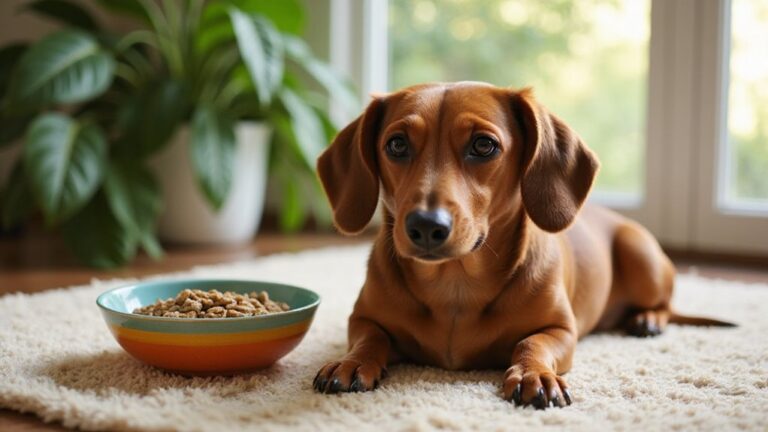
While keeping your Dachshund’s shedding under control may seem challenging, implementing a few home maintenance tips can make a significant difference. Regularly vacuuming your home and using lint rollers can help you tackle loose hair efficiently. Consider investing in washable slipcovers for your furniture, making it easier to clean up fur. Establish a designated space for your pup, complete with a washable dog bed, to contain shedding. Finally, frequent grooming sessions will minimize hair around your home. Additionally, using a slow feeder dog bowl can help reduce your Dachshund’s overall stress, which may contribute to excessive shedding. With these simple strategies, you can create a cleaner living environment while keeping your Dachshund comfortable and happy.
When to Consult a Veterinarian About Shedding
If you notice a sudden increase in your Dachshund’s shedding or changes in the quality of their coat, it might be time to consult a veterinarian. Look for signs like bald patches, excessive itching, or skin inflammation. These could indicate underlying issues such as allergies, skin infections, or hormonal imbalances. Additionally, if your dog seems lethargic, loses appetite, or shows behavioral changes, don’t hesitate to seek professional advice. Regular check-ups can help maintain your pet’s health and address shedding concerns effectively. Remember, your veterinarian can provide tailored recommendations to keep your Dachshund’s coat healthy and vibrant. Feeding your Dachshund delicious treats can also help improve their overall coat health.
Frequently Asked Questions
Do Dachshunds Shed More in Humid or Dry Climates?
Dachshunds tend to shed more in humid climates due to increased moisture in the air, which can stimulate their fur growth and shedding cycles. In dry climates, shedding may be less noticeable but still occurs.
Can Stress Increase Shedding in Dachshunds?
Yes, stress can increase shedding in Dachshunds. When they’re anxious or scared, their bodies may react by losing more fur. Keeping your dog calm and providing a stable environment can help reduce stress-related shedding.
Are Certain Dachshund Colors Linked to Increased Shedding?
Dachshund colors themselves aren’t directly linked to increased shedding. However, individual genetics, coat type, and health can influence how much they shed. Regular grooming helps manage shedding, regardless of your dog’s color.
Can I Use Human Shampoo on My Dachshund?
You shouldn’t use human shampoo on your Dachshund. It can irritate their skin and disrupt natural oils. Instead, opt for a gentle dog-specific shampoo to keep their coat healthy and shiny.
How Does Age Affect Shedding in Dachshunds?
Age can considerably affect shedding in Dachshunds. Younger dogs often shed more due to their active lifestyles, while older dogs might shed less as their metabolism slows. You’ll notice changes as they mature.