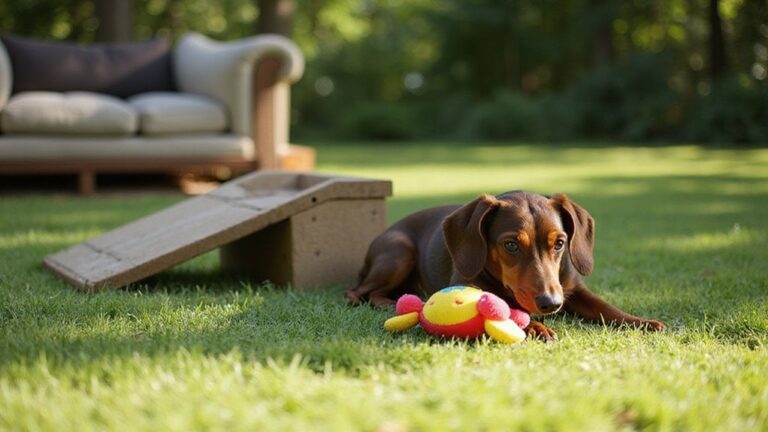

Kids and Dachshunds: Creating Positive Interactions at Home
When you bring a Dachshund into your home, it’s important to contemplate how your kids and the dog will interact. Establishing a mutual understanding can prevent misunderstandings and promote a positive atmosphere. By teaching your children the right way to approach and engage with the dog, you can foster a nurturing environment. But what specific strategies can you implement to guarantee these interactions are safe and enjoyable for everyone involved?
The Essentials
- Teach kids to approach Dachshunds at their level, using slow hand movements for a friendly introduction.
- Designate safe spaces for the dog to retreat when overwhelmed, promoting comfort and security.
- Supervise all interactions between kids and the dog to ensure safe play and prevent rough behavior.
- Encourage gentle petting on the back or sides while teaching kids to recognize the dog’s signs of discomfort.
- Provide engaging toys for both kids and the dog to foster positive interactions during playtime.
Understanding the Dachshund Temperament
When you think about Dachshunds, you might picture their long bodies and playful spirits, but understanding their temperament is vital to a great relationship with your furry friend. These little dogs are known for their loyalty, intelligence, and sometimes stubborn nature. They can be affectionate and playful, but they also have a strong protective instinct, making them wary of strangers. Socialization is important; exposing them to various people and environments helps them develop a well-rounded personality. Remember, patience and consistency are essential when training them. With love and understanding, you’ll foster a bond that enriches both your lives. Choosing the perfect collar for your Dachshund can also enhance their comfort and safety during these interactions.
Teaching Kids How to Approach a Dachshund
Teaching kids how to approach a Dachshund is essential for fostering a positive interaction between them and your pet. Start by encouraging them to kneel down to the dog’s level, making it less intimidating. Remind them to extend a hand slowly, allowing the dog to sniff before petting. It’s important to teach them to avoid sudden movements or loud noises, as these can startle the dog. Encourage gentle petting on the back or sides, rather than the head. Finally, explain that if the Dachshund shows signs of discomfort, like backing away or growling, it’s best to give the dog space. Additionally, introducing Dachshund-friendly toys can help create a fun and engaging environment for both kids and the dog.
Establishing Safe Spaces for Both Kids and Dogs
Creating safe spaces for both kids and Dachshunds is essential for harmonious interactions. Designate specific areas in your home where your dog can retreat when feeling overwhelmed. Guarantee these spaces are comfortable, quiet, and stocked with their favorite toys. Likewise, establish zones where kids can play freely, away from the dog’s resting areas. Teach your children to respect these boundaries, so they know when not to disturb the dog. This mutual respect fosters a sense of security for both your kids and your Dachshund, reducing anxiety and promoting positive interactions in your home. A little planning goes a long way! Additionally, consider investing in a best dog bed to ensure your Dachshund has a cozy retreat to relax and recharge.
Supervised Playtime: Best Practices
To guarantee safe and enjoyable playtime for both your kids and Dachshund, supervision is key. Always keep an eye on their interactions to prevent any accidents. Create a designated play area where they can have fun without too many distractions. Encourage gentle play, reminding kids to be calm and respectful of your Dachshund’s space. Provide plenty of toys to keep both parties engaged and happy, including the best toys for dachshunds that cater to their playful nature. If your Dachshund seems overwhelmed, give them a break in their safe space. Finally, be ready to step in if playtime gets too rough, ensuring everyone stays safe and happy during their time together.
Teaching Commands and Positive Reinforcement
Introducing basic commands to your Dachshund can greatly enhance their behavior and strengthen the bond between your kids and the dog. Start with simple commands like “sit,” “stay,” and “come.” Use treats as positive reinforcement to encourage learning. When your Dachshund follows a command, reward them immediately with praise or a small treat. This creates a positive association between the command and the reward. Involve your kids in the training process, letting them give commands and rewards. It’s a fun way for everyone to connect and teach responsibility while building a loving, respectful relationship between your Dachshund and your family. Additionally, using delicious treats that your Dachshund will love can further motivate them during training sessions.
Recognizing Signs of Stress in Dachshunds
Even though Dachshunds are known for their playful and affectionate nature, they can also experience stress, which is important for you to recognize. Look for signs like excessive barking, hiding, or avoiding interaction. If your Dachshund is panting, drooling, or has a rigid body posture, these could indicate stress. Watch for changes in appetite or sleep patterns as well. Ears pinned back and a tucked tail are also clear signs of anxiety. By being aware of these behaviors, you can create a more comfortable environment for your furry friend, ensuring they feel safe and secure in your home. Additionally, offering them delicious treats can help in creating positive associations and alleviate their stress.
Building a Routine for Interaction and Care
While establishing a routine for interaction and care may seem like a small task, it can greatly enhance your Dachshund’s well-being and strengthen your bond. Set specific times for feeding, walks, and playtime to create a sense of security. Involve your kids in these activities, teaching them how to gently handle and play with the dog. Regular grooming sessions can also be a fun bonding experience. Don’t forget to incorporate training sessions; it keeps your Dachshund mentally stimulated. By maintaining consistency, you’ll help your Dachshund feel loved and secure, fostering a happier environment for everyone in your home. Providing a cozy bed that suits your Dachshund’s needs can also contribute to their overall comfort and happiness, ensuring that they have a comfortable sleeping space to retreat to after playtime.
Frequently Asked Questions
Can Dachshunds Be Left Alone With Kids Unsupervised?
No, you shouldn’t leave dachshunds alone with kids unsupervised. Their playful nature can lead to accidental roughhousing or misunderstandings. Supervision guarantees both your children and the dog stay safe and happy during their interactions.
What Age Is Best for Kids to Interact With Dachshunds?
The best age for kids to interact with dachshunds is typically around five years old. At this age, children can understand basic instructions and respect the dog’s space, making interactions safer and more enjoyable for both.
Do Dachshunds Get Along With Other Pets?
Yes, dachshunds can get along with other pets, but it depends on their personality and socialization. You’ll want to introduce them gradually, ensuring everyone feels safe and comfortable during interactions to foster positive relationships.
How Can We Prevent Jealousy Between Kids and the Dachshund?
You can prevent jealousy by ensuring both your kids and the dachshund receive equal attention. Encourage joint playtime, teach sharing, and reward positive interactions, so they learn to appreciate each other’s presence instead of competing.
Are There Specific Toys Safe for Kids and Dachshunds?
Yes, there are specific toys safe for both kids and dachshunds. Look for durable, non-toxic toys like rubber balls or plush toys designed for pets. Always supervise playtime to guarantee everyone stays safe and happy.